March 2026

Welding Automation & Workforce Support

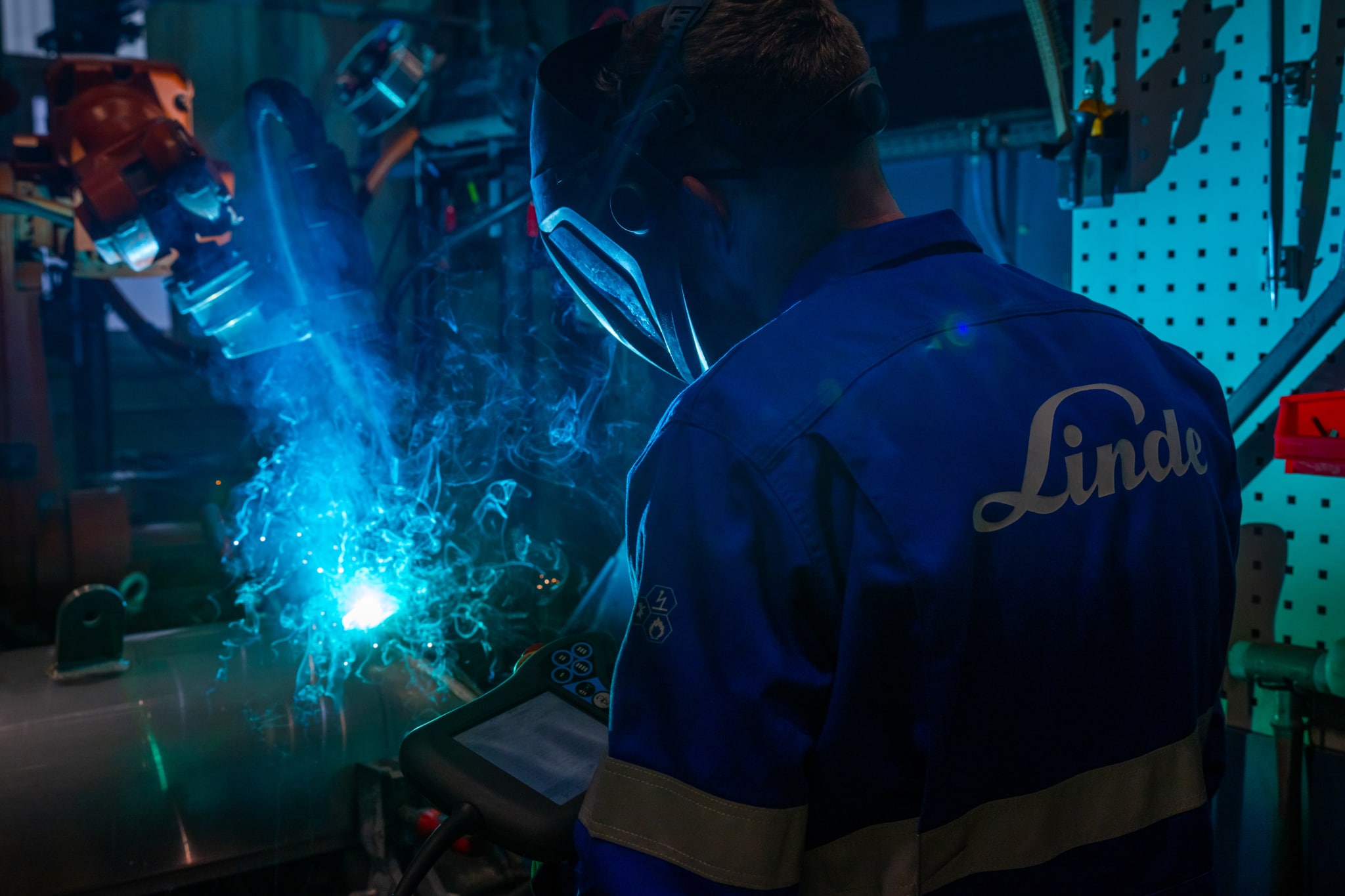
Canadian fabricators are using cobots, plasma systems, MIG guns & consumables, and process optimized wire to solve labour shortages, cut rework, and increase first pass yield. This guide breaks down shop proven automation and workforce support moves—from Miller PerformArc™ cells and PROSTAR MIG guns to Hypertherm Powermax SYNC® plasma systems and ER70S 6 solid wire—so you can pick the right step change for productivity and safety. Explore what to automate first and how to stage your rollout.


Why “Automate the Obvious” Works

  • Labour constraints: Offload repetitive welding, cutting, and grinding to cells/cobots; redeploy skilled techs to high mix work.
  • Quality & consistency: Robot steady travel speeds, torch angles, and gas coverage reduce spatter and rework.
  • Faster payback: Start with single process tasks (short welds, bracket runs, repetitive cut patterns) and scale.
  • Safety: Remove operators from the fume/dust cloud in grinding/cutting and improve ergonomics around heavy parts.

Quick Answers to Common Automation Questions

1: Where do I start?
Begin with a pre engineered robotic welding cell (e.g., Miller PerformArc™) for short, repetitive welds or tack to weld routines; pair it with PROSTAR ER70S 6 wire appropriately sized for your joint design. Keep manual stations for prototypes/high mix parts.

2: Is plasma automation overkill for a small shop?
Not if you’re outsourcing plate parts or spending hours on manual cutting. A Hypertherm Powermax SYNC® system tightens cut quality and reduces changeover via color coded cartridges (drag/mech) and is easy to integrate with a table now—or run handheld until you add a table later.

3: Will my workforce accept “robots”?
Position automation as workforce support: cells take the hot, repetitive runs; people handle fit up, inspection, short runs, and changeovers. Upskill operators as cell tenders/programmers.

4: What if I’m not ready for a robot?
Adopt incremental automation: upgrade to PROSTAR MIG guns for better ergonomics and consumable life, standardize on contact tips/nozzles, and switch to process appropriate wire to cut rework. You’ll see productivity now and be better staged for robots later.

5: How do I justify ROI?
Quantify: cycle time saved per part × parts/month, rework reduction, and labour reallocation. Use a short audit (see StarSolver) to benchmark current state and build a stepwise roadmap.

How to Phase Your Automation

Phase 1: Stabilize the Manual Cell (0–30 days)

  • Standardize PROSTAR wire and contact tips/nozzles, document parameters, and fix cable management.
  • Add templates/fixtures for your 2–3 highest volume parts.

Phase 2: Accelerate Cutting & Prep (30–90 days)

  • Add Hypertherm Powermax SYNC for predictable cut edges and faster fit up; standardize cartridge SKUs by job.
  • Start simple nesting routines (even if hand guided today), and prep for a table when volume warrants.

Phase 3: Cell Level Automation (90–180 days)

  • Deploy Miller PerformArc on the most repetitive weldments; train one operator as cell tender.
  • Create a consumable Kanban (tips, nozzles, wire spools) to protect uptime.

Phase 4: Continuous Improvement (180+ days)

  • Close the loop with StarSolver audits quarterly; expand fixtures and part families; consider offline programming and a cutting table integration.