November 2026

DNE D-Speed Fiber Laser: How Manufacturers Can Increase Cutting Speed, Improve Efficiency and Reduce Production Costs

DNE D-Speed Fiber Laser

In today's manufacturing environment, speed, efficiency and cost control are more critical than ever. Whether you're serving the fabrication, agriculture, transportation, construction or general manufacturing industries, every second of production time impacts profitability.

That's why more manufacturers are exploring high-performance fibre laser cutting technology that can help increase throughput, reduce downtime and deliver a faster return on investment.

The DNE D-Speed Fiber Laser was designed specifically with these goals in mind. Built for fast cutting, efficient material handling and high-volume production, it offers manufacturers a practical solution for improving productivity while maintaining cut quality. D-Speed combines durable components, high-speed operation, exchange tables and a Swiss-developed cutting head to maximize efficiency and support long-term performance.


What Is a Fibre Laser Cutting Machine?

A fibre laser cutting machine uses a concentrated laser beam to cut metal materials with exceptional precision and speed. Fibre lasers are commonly used to process:

  • Mild steel
  • Stainless steel
  • Aluminum
  • Brass
  • Copper
  • Other sheet metal materials

Compared to traditional cutting methods, fibre laser technology can deliver cleaner edges, tighter tolerances, faster cutting speeds and reduced secondary processing.


Why Are Manufacturers Switching to Fibre Laser Cutting?

Many manufacturers researching laser cutting equipment are asking:

How can I improve cutting productivity?

The D-Speed is engineered around speed and production efficiency. With a maximum single-axis acceleration of 1.5G and positioning speeds up to 150 m/min, the machine is designed to keep production moving while minimizing idle time.

How can I reduce downtime between jobs?

One of the biggest productivity losses in fabrication shops occurs during loading and unloading.

The D-Speed incorporates exchange tables that allow operators to load new material while the machine processes the next sheet. This simultaneous operation helps improve batch production efficiency and reduces non-cutting time.

How can I maximize return on investment?

Manufacturers typically evaluate equipment based on:

  • Productivity gains
  • Labour efficiency
  • Consumable costs
  • Maintenance requirements
  • Machine uptime

The D-Speed was developed with an emphasis on speed, durability, affordability and efficiency, helping manufacturers achieve a faster return on investment through increased throughput and reliable operation.


What Makes the DNE D-Speed Different?
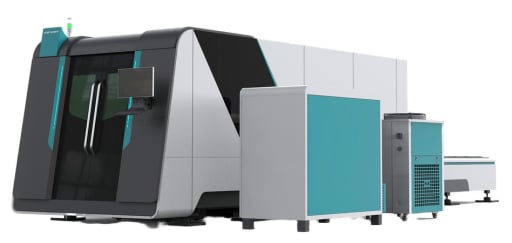
DNE 3 Fiber Laser Cutting Machine

1. High-Speed Cutting Performance

As its name suggests, the D-Speed is purpose-built for speed.

The system delivers:

  • Up to 150 m/min positioning speed
  • 1.5G maximum acceleration
  • Fast table changeover times
  • Efficient material processing for production environments

These capabilities allow manufacturers to move more parts through production while maintaining consistent quality.

2. Precision and Consistency

Precision is essential when producing parts at scale.

According to the D-Speed specifications, the machine offers:

  • ±0.05 mm positioning accuracy
  • ±0.03 mm repeated positioning accuracy
  • ±0.5 mm edge-finding accuracy

These capabilities support repeatable production and consistent part quality across large production runs.

3. Durable Cutting Technology

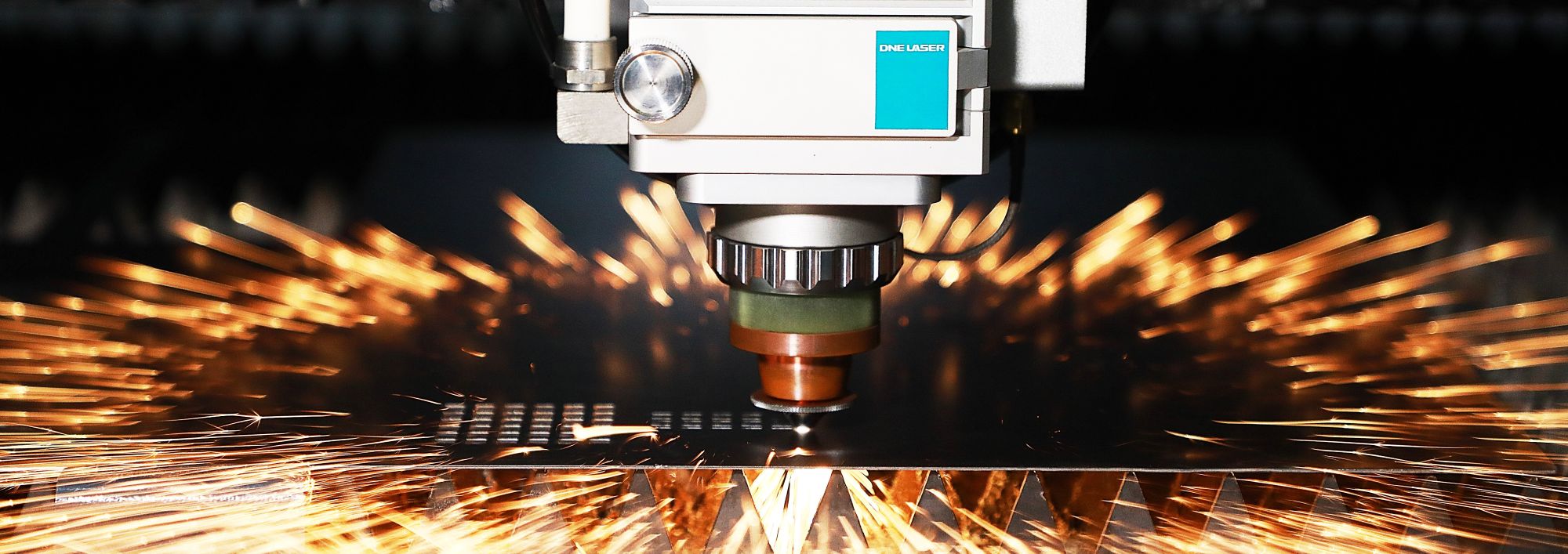
The D-Speed is equipped with a Swiss-developed cutting head designed for:

  • High-performance cutting
  • Smooth cut surfaces
  • Minimal burr formation
  • Long-lasting consumables

Reducing secondary processing requirements can help manufacturers lower overall production costs and improve workflow efficiency.

4. Multiple Power Configurations

Manufacturers have varying production requirements.

The D-Speed is available in multiple configurations ranging from 3 kW to 20 kW, allowing businesses to select equipment that aligns with their material thickness, production volumes and future growth plans.


What Industries Benefit Most from Fibre Laser Cutting?

Fibre laser technology continues to gain adoption across many industries because of its combination of speed, precision and flexibility.

Common applications include:

General Fabrication

Production of brackets, frames, housings, enclosures and custom components.

Agricultural Equipment

Cutting structural steel and fabricated components used in farming equipment and machinery.

Transportation and Trailer Manufacturing

Processing parts requiring repeatable accuracy and high-volume production.

Construction and Structural Fabrication

Manufacturing metal components used in commercial, industrial and infrastructure projects.

OEM Manufacturing

Producing consistent, high-quality parts while maintaining tight production schedules.


Common Questions Buyers Ask Before Investing in a Fibre Laser

How fast is a Fibre laser compared to traditional cutting methods?

Fibre lasers are widely adopted because they can process many materials faster while reducing secondary finishing operations. The D-Speed was specifically designed to prioritize speed and production efficiency through high acceleration, fast positioning and rapid table exchanges.

Is a fibre laser suitable for high-volume production?

Yes. The D-Speed's exchange table system allows loading and unloading to occur simultaneously, supporting continuous production workflows and higher throughput.

Does laser cutting reduce labour requirements?

Many manufacturers use automation and modern laser technology to streamline production processes, reduce manual handling and improve operational efficiency.

What should I look for when comparing fibre laser machines?

Key criteria include:

  • Cutting speed
  • Accuracy
  • Repeatability
  • Machine reliability
  • Service and support
  • Consumable life
  • Total cost of ownership
  • Productivity features such as exchange tables

The D-Speed addresses these priorities through a combination of speed-focused engineering, precision performance and local support.


Why Support and Service Matter?

Purchasing a fibre laser is more than an equipment decision. It's a long-term production investment.

The D-Speed is supported by DNE Laser technical assistance, providing operational support and service resources designed to help customers maximize uptime and maintain productivity.

For manufacturers, strong service support can be just as important as machine specifications when evaluating overall value.


The Linde Advantage: Beyond the Laser

A high-performance fibre laser is only part of a successful cutting operation.

Optimal results also depend on selecting the right:


At Linde, we work with manufacturers to optimize the entire cutting process, helping customers improve productivity, cut quality and operational efficiency through integrated gas and application expertise.

Whether you're evaluating your first fibre laser or upgrading existing cutting capabilities, our team can help identify opportunities to improve performance throughout your operation.


Ready to Improve Your Cutting Efficiency?

The DNE D-Speed Fiber Laser is designed for manufacturers seeking faster production, reliable performance and a strong return on investment. Combining high-speed cutting, precision accuracy, durable components and efficient material handling, it offers a practical solution for today's competitive manufacturing environment.


Ready to Increase Productivity and Lower Your Cost Per Part?

Investing in a fibre laser is about more than choosing the right machine. To maximize performance, manufacturers also need the right cutting gases, supply systems, process expertise, and production strategy.

At Linde, our Manufacturing Process Specialists (MPS) work directly with fabricators and manufacturers to identify opportunities to improve cutting speed, enhance cut quality, reduce gas consumption, optimize workflows, and increase overall productivity.

Whether you're evaluating your first fibre laser or looking to upgrade existing cutting capabilities, our team can help you determine the right solution for your operation and support you throughout the implementation process.

Connect with a Linde Manufacturing Process Specialist to:

  • Assess your current cutting process
  • Identify productivity improvement opportunities
  • Evaluate laser, gas, and automation solutions
  • Calculate potential operational savings and ROI
  • Develop a solution tailored to your production goals