April 2026

Carbon Dioxide (CO₂): A Versatile, Sustainable Gas, Powering Modern Industries

Discover the many industrial and commercial applications of carbon dioxide (CO₂)—from food and beverage to manufacturing, refrigeration, water treatment, dry ice cleaning and fumigation.


Quick Answers About CO₂ Applications

1. Does using CO₂ harm the environment?

No. The CO₂ used in industry is captured as a by product of manufacturing processes—such as ammonia, alcohol, and fertilizer production—and would otherwise be released directly into the atmosphere. Linde captures, purifies, and reuses it, making industrial CO₂ an environmentally efficient choice.

2. How is CO₂ supplied?

CO₂ is stored and transported as a liquid in pressurized tanks or supplied in cylinders. It can also be provided as dry ice pellets or blocks produced from liquefied CO₂.

3. What makes CO₂ so useful across industries?

CO₂’s unique properties—such as being inert, dense, cold, and non flammable—make it an ideal medium for cooling, carbonation, pH control, welding, and cleaning.

4. Why is CO₂ used as a replacement for harmful substances?

CO₂ can replace chemicals like halons or Freons (CFCs) in fire suppression and foam production. These alternatives harm the ozone layer, while CO₂ does not.


Summary

Carbon dioxide is more than a greenhouse gas—it is a critical industrial tool. When responsibly captured and purified, CO₂ supports essential applications across food processing, manufacturing, water treatment, agriculture, welding, refrigeration, and environmental cleaning technologies. Many industries rely on CO₂ for safer processes, improved product quality, and sustainable alternatives to ozone damaging substances.

Below, we explore the most common CO₂ applications and how Linde supports these operations with high purity gas supply and advanced CO₂ solutions.

1. Food & Beverage Applications: Freshness, Carbonation & Cooling

CO₂ plays a key role in maintaining freshness, quality, and flavour across the food and beverage industry.

Applications:

  • Carbonation for beverages gives drinks their crisp taste.
  • Food Packaging – CO2 prolongs shelf life, allowing for expanded food distribution
  • Food refrigeration and freezing—liquid CO₂ and dry ice enable rapid cooling while avoiding water contamination.
  • Dry ice logistics—Pellets and blocks keep food cold without electricity.

2. Industrial Manufacturing: A Clean, Efficient Processing Gas

CO₂ is widely used in manufacturing due to its versatility as a non flammable, non toxic and relatively inert gas.

Applications:

  • Shielding gas for welding—CO₂ provides deep penetration, high heat input and effective shielding of the weld pool from atmospheric contamination.
  • Industrial cooling—liquid CO₂ delivers precise and efficient temperature control.
  • Foam manufacturing—CO₂ replaces ozone depleting CFCs in polystyrene and polyurethane production.

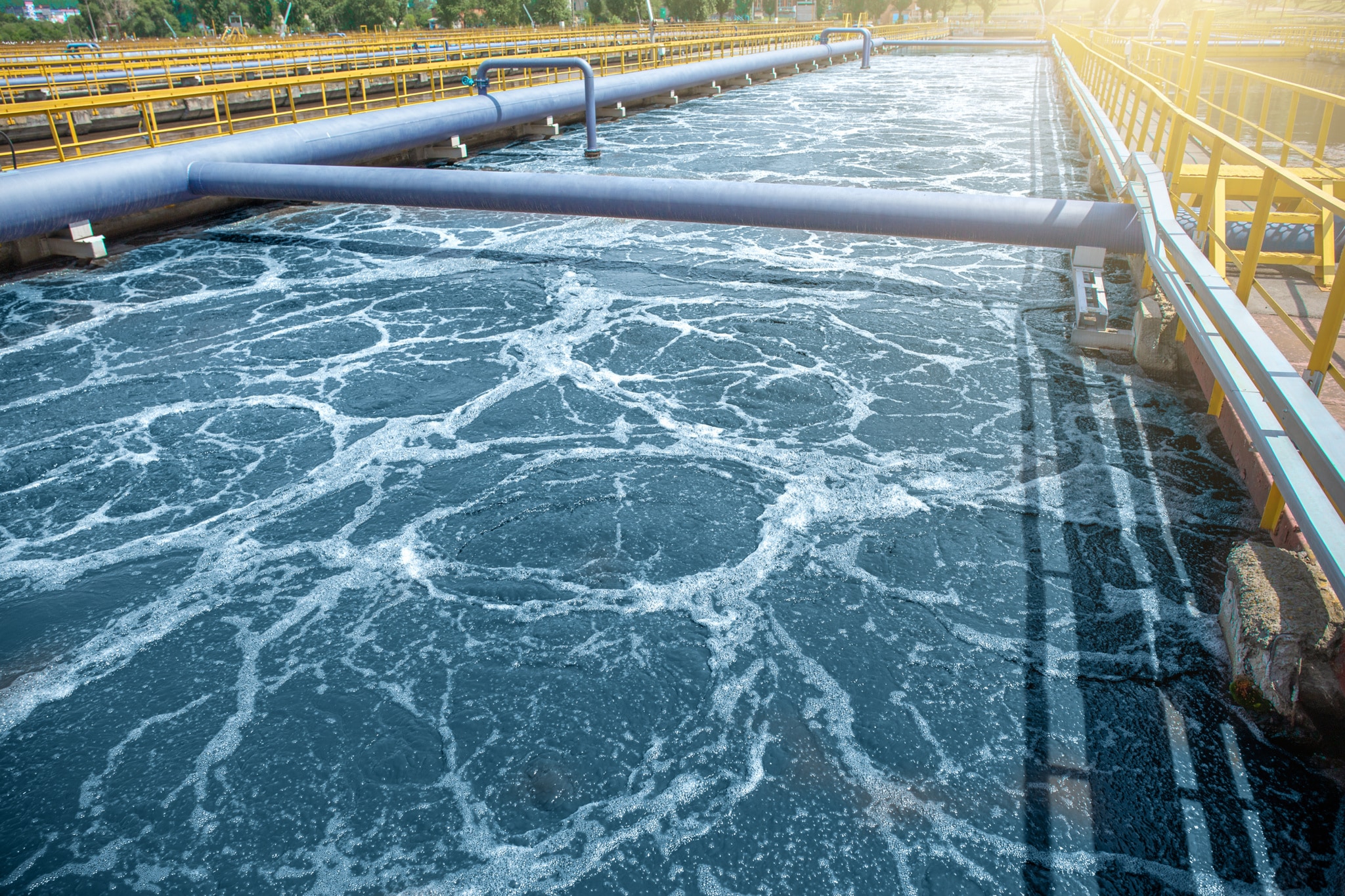
3. Water Treatment & Environmental Protection

CO₂ provides an environmentally friendly alternative to harsher chemicals.

Applications:

  • Drinking water purification—CO₂ is a low corrosion agent for adjusting pH.
  • Wastewater neutralization—CO₂ helps stabilize pH before discharge without harmful byproducts and the risk of overshooting.
  • Swimming pool pH control—CO₂ is cost effective, eliminates on site acid storage and handling, reduces risk of chlorine gas formation, improving safety for both swimmers and staff.

4. Agriculture & Greenhouse Production

CO₂ can promote healthy plant development when applied correctly.

Applications:

  • CO₂ enrichment in greenhouses—boosts plant growth, yield, and overall crop quality.

5. Dry Ice (Solid CO₂): Cleaning, Cooling & Logistics

Dry ice is an extremely versatile form of CO₂ with widespread industrial use.

Applications:

  • Dry ice blasting (CRYOCLEAN®)—a powerful cleaning method solution that removes residues without chemicals, water, or abrasion.
  • Cold chain logistics—keeps products frozen during transport without electrical refrigeration.
  • Precision cooling—ideal for temperature sensitive manufacturing steps.

7. Refrigeration Systems

  • CO₂ (R744) is a natural, environmentally friendly refrigerant
  • R744 replaces hydrofluorocarbons (HFC) and Hydrochlofluorocarbons (HCFC)
  • Commonly being used in supermarket cooling systems
  • CO₂ based R744 systems also support lower fuel consumption in refrigerated trucking.

8. Production, Storage & Supply Options

How CO₂ is produced

Captured as a by product from ammonia, alcohol, and fertilizer production. Then:

  • Purified
  • Compressed
  • Liquefied
  • Stored in tanks or cylinders
  • Expanded into dry ice pellets or blocks for solid CO₂ applications

Supply formats

  • Bulk liquid CO₂
  • Cylinders
  • Microbulk (optional)
  • Dry ice pellets
  • Dry ice blocks

Why Choose Linde for CO₂ Solutions

  • High purity, food grade and industrial grade CO₂
  • Reliable national delivery network
  • Expertise in CO₂ capture, purification, and storage
  • Environmentally responsible sourcing
  • Industry leading technologies like CRYOCLEAN®

Whether you're upgrading cooling systems, improving carbonation, adjusting pH, or exploring dry ice cleaning, Linde has the CO₂ format and purity level to support your needs.

Connect with us to order CO₂ cylinders, bulk liquid, or dry ice products today.